Dealing With Damage Right Now?
Phase III Construction responds 24/7 across SE Michigan. Licensed Builder. BBB A+.
☎ Call (734) 237-7322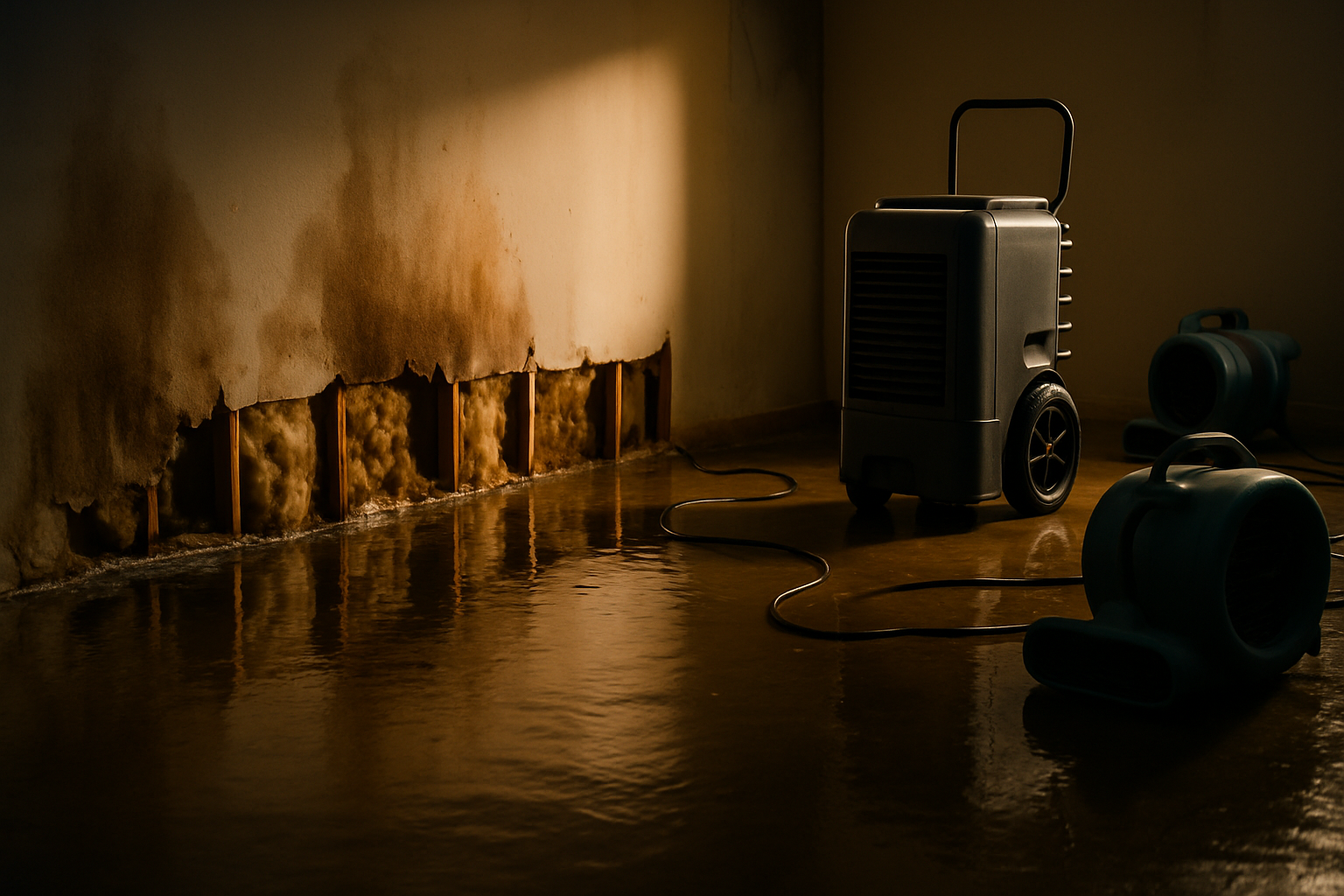
How to Document Water Damage for an Insurance Claim
When water damage hits your home — whether from a burst pipe, appliance failure, roof leak, or flood — the documentation you capture in the first hours determines how much your insurance company pays. Carriers look for gaps in the record. The more complete your evidence, the less room they have to underpay.
This guide walks you through exactly what to document, how to document it, and what Phase III does on your behalf to make sure nothing gets missed.
Why Documentation Is the Most Important Thing You Can Do
Water damage claims are among the most frequently disputed in the insurance industry. Carriers cite:
- Pre-existing conditions — claiming the damage was gradual, not sudden
- Scope disputes — arguing that affected areas are smaller than documented
- Coverage exclusions — attempting to reclassify sudden losses as maintenance issues or flood (which requires separate coverage)
- Secondary damage arguments — denying mold or structural damage that developed after the initial loss
Thorough documentation shuts down every one of those arguments. Your job is to create a record so complete that there is no reasonable dispute about what happened, when it happened, and what it damaged.
Step 1: Stop the Source — Then Document Before Cleanup
Your first obligation is to mitigate ongoing damage — shut off the water source, stop the leak, prevent further spread. This is both a practical necessity and a policy requirement (most homeowner policies require the insured to take reasonable steps to prevent additional damage).
But before you start mopping, moving furniture, or pulling up flooring — take photos and video.
Document the scene exactly as it is. Standing water, saturated flooring, wet drywall, water lines on walls, damaged contents — all of it. The initial condition is the foundation of your claim. Once cleanup begins, that evidence is gone.
Step 2: Photograph Everything — Systematically
Random photos are not enough. Work room by room, surface by surface:
For Each Affected Room:
- Wide shot of the full room — establishes context and scope
- Water source or entry point — pipe, appliance connection, roof penetration, window, etc.
- Flooring — document the full extent of saturation, buckling, or staining
- Walls and baseboards — photograph water lines, staining, and any visible mold
- Ceiling — sagging, staining, or active drips
- Contents — furniture, electronics, personal property damaged by water
- Close-ups of damage details — individual items, damage patterns, visible mold growth
Photo Best Practices:
- Use your phone — the timestamp metadata embedded in the photo is evidence of when it was taken
- Turn on all lights and open blinds — dark photos are harder to evaluate and easier to dispute
- Take more than you think you need — you can always not submit a photo; you can’t take one retroactively
- Include something for scale where helpful (a coin, a ruler) near damage areas
Step 3: Video Walk-Through
Walk through every affected area with your phone recording. Narrate as you go — describe what you’re seeing, point the camera at the water source, show the extent of spread. A two-minute video of a flooded basement is worth more than 50 still photos when it comes to establishing scope.
Pay particular attention to:
- Where water is actively coming from or came from
- How far the water spread (include doorways and adjacent rooms)
- Visible damage to structural components (subfloor, framing, drywall)
- Any contents that were damaged or destroyed
Step 4: Document the Source and Timeline
Your carrier will want to establish how the water got in and when. Build a written record:
- Write down when you discovered the damage — date and approximate time
- Identify the cause — broken supply line, dishwasher failure, roof leak, HVAC condensate overflow, etc.
- Note any prior conditions — if you’ve had a slow drip or known issue, be honest about it. Attempting to conceal prior conditions creates fraud exposure. A good claim can survive a prior issue if it’s disclosed; it cannot survive concealment.
- Save any broken parts — failed supply lines, cracked fittings, broken appliance components. Do not throw them away until the adjuster has inspected.
Step 5: Create a Contents Inventory
If personal property was damaged — furniture, electronics, clothing, appliances — document it now before anything is discarded:
- Photograph each damaged item individually
- Write down the item name, approximate age, and estimated replacement cost
- Save any receipts, warranty cards, or purchase records you can locate
- Do not throw away damaged items until the adjuster has inspected or you have photo documentation — carriers frequently dispute contents claims when the items are gone
Step 6: Document Emergency Mitigation Actions
If you hired a water mitigation company or did emergency cleanup yourself, document everything:
- Hire a licensed water mitigation contractor — their drying logs, moisture readings, and equipment records become part of your claim file
- Save every invoice and work order from mitigation contractors
- Photograph equipment (air movers, dehumidifiers) in place before it’s removed
- Keep all receipts for emergency supplies — tarps, water extractors, fans, etc.
Emergency mitigation costs are covered under most homeowner policies. Keep a complete record and submit everything.
Step 7: Call Phase III Before You File
This is the step most homeowners skip — and it costs them thousands.
Once you have your initial documentation in place, call Phase III before you call your insurance company. Here’s why:
- We conduct a complete damage assessment — including hidden moisture in walls, subfloor, and framing that your photos won’t capture
- We use moisture meters and thermal imaging to document the full extent of saturation before dryout begins
- We help you understand what your policy covers — and what the carrier is likely to dispute — before you give a recorded statement
- We manage the adjuster visit and review the estimate to make sure every legitimate line item is included
Water damage scopes are frequently underpaid because adjusters rely on visual inspection alone. Phase III documents what’s behind the walls before the walls come down — so there’s no argument later about what was damaged.
Common Water Damage Documentation Mistakes to Avoid
- Cleaning up before documenting — the most common and most costly mistake
- Throwing away damaged contents — do not discard anything until documented and adjuster-reviewed
- Making permanent repairs before the adjuster inspects — emergency mitigation is fine; permanent repairs before adjuster sign-off can void your claim
- Accepting a verbal estimate from a contractor before the carrier inspects — this can lock you into a lower number
- Waiting too long to file — most policies require prompt notice of loss; delays give carriers grounds to dispute
- Not following up on the moisture report — if a mitigation company dried your home, request a copy of their complete drying report. It’s one of the most important documents in your claim file.
What Phase III Does That You Can’t Do Alone
The difference between a fully paid water damage claim and a disputed one often comes down to scope documentation. Phase III brings:
- Thermal imaging — identifies moisture migration behind walls and under floors that standard inspection misses
- Moisture mapping — a room-by-room moisture reading log that establishes the full extent of saturation with timestamped data
- Xactimate scoping — the industry-standard estimating platform used by every major carrier. Our scope is built in the same language as the adjuster’s — so there’s no confusion about what’s included
- Supplement expertise — when the adjuster’s estimate is short, we identify the gaps and document the difference with supporting evidence
- Michigan Builders License #262000615 — we can legally perform every phase of the restoration, from emergency mitigation through final rebuild
You don’t have to navigate this alone. Phase III handles the carrier from first inspection to final payment — so you can focus on getting your life back to normal.
Call (734) 237-7322 today to schedule your damage assessment.
Phase III Construction handles water & flood damage restoration for homeowners across SE Michigan. Michigan Builders License #262000615. We work directly with your insurance company and fight your claim from start to finish. Get an inspection →
Ready to Rebuild Now?
Call Phase III Construction today — we handle the insurance battle so you don't have to.
Get Your InspectionPART OF THE WATER & FLOOD GUIDE
This article is part of Phase III's complete Water & Flood resource series.
← Back to the complete Water & Flood guide: How Long Does Water Damage Restoration Take? A Michigan Homeowner's Guide